
Burst Pipe vs. Leaking Water Line: How Simpsonville Homeowners Can Tell the Difference
The Water Outside Your House Looks Different From the Water Inside, But Both Are Problems
You’ve got water pooling in the yard during dry weather, or soft soggy ground that never seems to firm up, or a sudden spike in your water bill with no obvious explanation of where the water is going. Your mind jumps to a burst pipe, which is partly correct, but the distinction between a burst pipe inside your home and a burst water line running from the street to your house matters because the repair is completely different. Understanding what’s actually failing helps you know whether this is something Warmer Water & Plumbing handles directly or whether you’re dealing with a city utility issue that needs a different contractor. Call 864-263-2847 if you suspect water is leaking somewhere in your yard and you need to know what you’re actually dealing with.
A Burst Pipe Inside Your Home and a Leaking Water Line Are Two Separate Problems
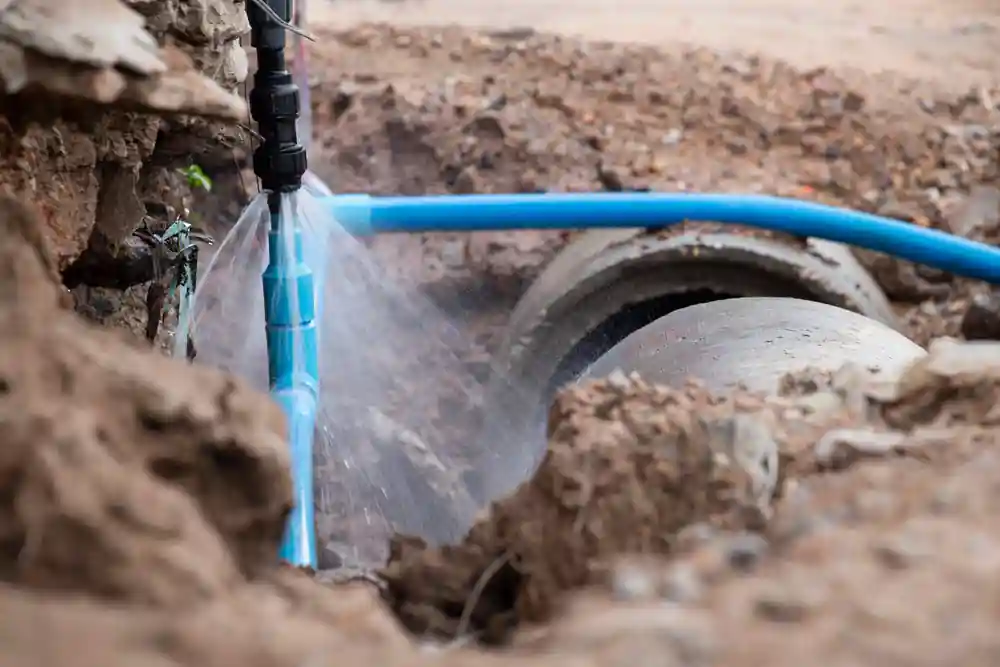
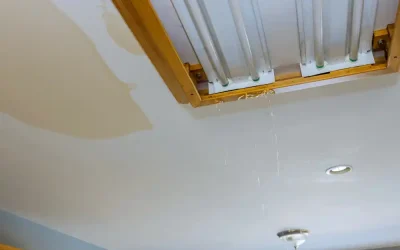
A burst pipe inside your walls or crawlspace creates indoor water damage, visible dripping or pooling inside the house, and affects water pressure throughout your home or in specific fixtures. A leaking water line, the main supply line running from the city meter through your yard to your house, creates soggy ground, unusually green grass in one spot, or water pooling in the yard with no obvious source. The symptoms are different because the location is different, and understanding which situation you’re in shapes the entire repair approach and who does the work.
Simpsonville’s older infrastructure and established neighborhoods often have water lines that have been in the ground for 50 years or more, buried under yards with tree roots, shifting soil, and freeze-thaw cycles working on the pipe constantly. A water line that was fine for decades can suddenly develop a crack as surrounding soil moves, or as tree roots gradually work their way into a joint and widen a gap over years. The failure pattern is often slow rather than catastrophic, which is why homeowners sometimes miss it as a water line problem and assume it’s something else entirely.
How to Tell Which One You’re Actually Dealing With
The location of the water, the pattern of the damage, and the effect on your household water supply tell you which problem you’re facing. Knowing these differences before you call a plumber means you can explain the situation clearly and get the right contractor dispatched for the actual issue.
- Inside water damage with visible dripping or pooling inside the house: burst pipe inside your plumbing system
- Soggy ground or soft spots in the yard away from visible pipes: likely a water line leak underground
- Water pressure drops throughout the whole house suddenly: could be either, but suggests main line involvement
- One fixture or room loses pressure while others work fine: points to a burst pipe inside that specific line
- An unusually wet or green patch of grass in the yard during dry weather: classic sign of an underground water line leak
- Water bill spikes without any change in household usage: water is escaping somewhere, likely underground
- A sound of running water when all fixtures are off: a leak is active somewhere in your system
If your yard is wet and soggy but the inside of your house looks dry, the problem is almost certainly outside your home, which usually means the water line. If you’ve got water damage inside combined with soggy ground outside, you might be dealing with both a burst pipe and a water line issue, which happens sometimes in older homes with aging plumbing throughout.
Warmer Water & Plumbing Handles Burst Pipes, But Water Lines Are Often a City Responsibility
The water line from the meter to your house is sometimes your responsibility, sometimes the city’s responsibility, depending on where the leak is located and what your service agreement says. Warmer Water & Plumbing can assess whether the problem is a burst pipe inside your home or determine whether the leak is in the water line itself, which helps you understand who to call next. If the leak is in the section of line that’s your responsibility, pipe repair services in Simpsonville can handle that. If it’s the city’s line, they’ll coordinate with the city utility to get it fixed.
Figure Out What’s Underground Before You Panic
Soggy ground or a green patch in the yard doesn’t automatically mean an expensive underground repair. Sometimes it’s a surface issue like improper drainage or an irrigation line. Sometimes it’s a water line that the city actually owns and maintains. Getting a professional assessment tells you exactly what’s happening, where the problem is, and who’s responsible for fixing it. If you’re in Simpsonville and seeing signs of a possible water line leak or indoor burst pipe, call 864-263-2847 and find out whether you’re dealing with an inside problem or an outside one. Understanding which one you’ve got is the first step toward getting it fixed.
0 Comments