
5 Warning Signs Your Water Heater Is About to Fail (And How to Avoid Emergency Floods)
The Popping Sound Started Two Weeks Before the Flood
The small, easy-to-ignore noise that comes from a water heater tank often goes unnoticed until it’s too late. By the time the tank lets go, “eventually” has already cost a homeowner a soaked laundry room and a weekend of fans running on the subfloor. Most water heaters give warning signs well before they fail completely, and catching them early is the difference between a routine repair and a flooded garage. If something already sounds, smells, or looks off with your tank, it’s worth talking to someone before it gets worse — 864-263-2847 gets you a straight answer today.
What a Struggling Tank Is Trying to Tell You
A water heater rarely fails without warning. It fails after a string of small signals that most homeowners either don’t notice or explain away, right up until the day it stops working or starts leaking. Knowing what those signals actually mean is what turns a surprise breakdown into a scheduled repair on your own terms.
Rusty, Cloudy, or Foul-Smelling Hot Water
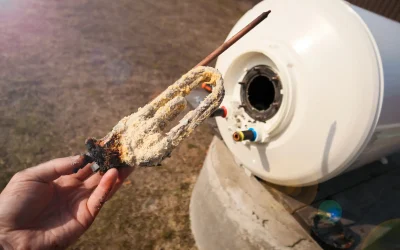
Discolored water usually means one of two things: sediment stirred up in the tank, or the tank itself starting to corrode from the inside. Sediment is a maintenance issue. Corrosion means the tank’s structural integrity is already compromised, and no amount of flushing fixes it. A sulfur or rotten-egg smell points to bacteria reacting with the anode rod, which is a different problem but still one worth addressing before it gets worse.
Popping, Rumbling, or Squealing From the Tank
Those sounds come from mineral deposits that have hardened at the bottom of the tank over years of use. As the burner heats water trapped under that layer of sediment, it creates the popping and rumbling you hear. The noise itself isn’t dangerous, but it’s a sign the tank has been running inefficiently for a long time, and that hardened sediment accelerates wear on the tank floor.
Water Pooling Around the Base
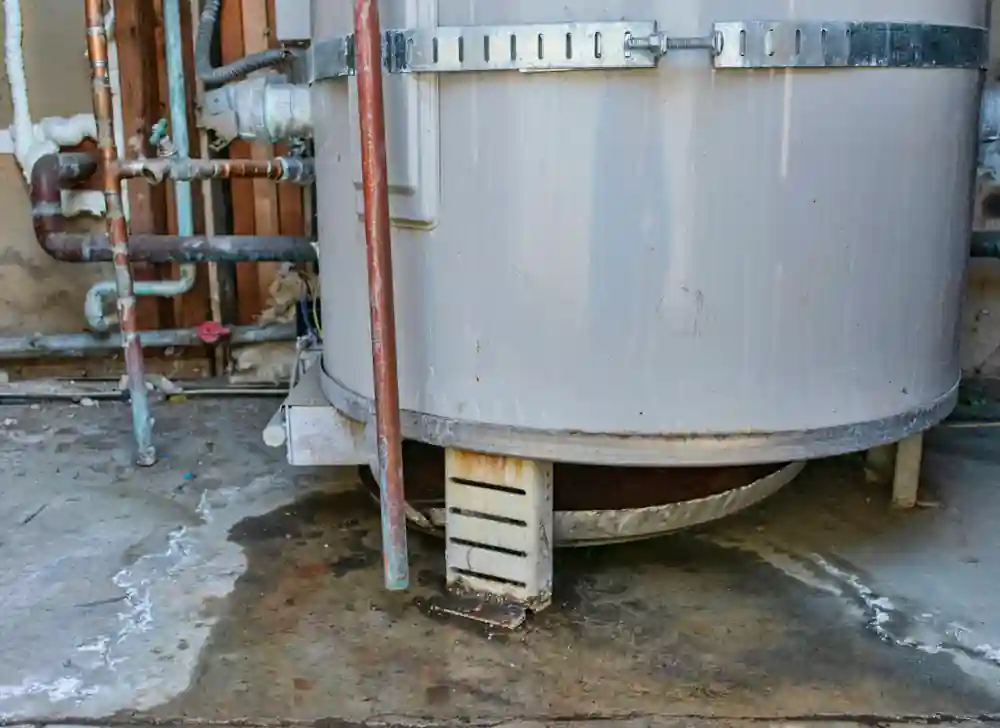
Any water around the tank deserves attention right away. Sometimes it’s condensation. Sometimes it’s a loose fitting or a failing pressure relief valve, both fixable. And sometimes it’s a hairline crack in the tank wall itself, which means the tank is actively failing and replacement, not repair, is the only real option.
Hot Water That Runs Out Faster Than It Used To
A shower that used to last fifteen minutes and now goes cold in five is usually a heating element or thermostat issue, not a sign the tank itself is dying. Still, it’s worth diagnosing early. A failing element that goes unaddressed puts more strain on the rest of the system and shortens the tank’s remaining lifespan.
The Tank Is Already 8 to 12 Years Old
Most standard tank water heaters are built to last somewhere in that range. Once a tank crosses into it, the odds of a sudden failure climb every year, even if nothing looks obviously wrong yet. Age alone is a legitimate reason to schedule an inspection.
What You Can Do Before It Fails
A short list of maintenance habits catches most of these problems early and extends the life of a tank that’s still in good shape. None of it requires special tools, and all of it is worth doing on a yearly schedule.
- Flush the tank once a year to clear out sediment before it hardens
- Check the anode rod every two to three years and replace it when it’s worn down
- Test the pressure relief valve to confirm it opens and closes properly
- Watch the water heater’s age against its expected lifespan, not just how it’s performing today
If you’ve already noticed one or more of the signs above, maintenance alone won’t fix it. That’s when a real inspection matters more than guessing.
What a Same-Week Inspection Actually Looks Like
A technician checks the tank, the venting, the pressure relief valve, and the anode rod, then tells you plainly whether you’re looking at a repair or a replacement. No guesswork, no upsell on parts that don’t need replacing.
Homeowners across Simpsonville and Upstate SC call before a full failure more often than after one, mostly because a slow leak or a strange noise is easier to deal with on a Tuesday afternoon than during an actual flood. If a repair makes sense, water heater repair handles it. If the tank has crossed the point where repair still makes sense, water heater replacement is the next step, and for households tired of running out of hot water altogether, a look at tankless water heater installation is worth the conversation too.
Stop Guessing and Get an Answer
You don’t need to diagnose the tank yourself, and you don’t need to wait until it fails to find out what’s going on. A popping sound, a rusty tint in the water, or a tank pushing past ten years old are all reasons enough to have someone take a look now instead of after the fact. Warmer Water & Plumbing can tell you exactly where your water heater stands and what it actually needs. Call 864-263-2847 and get a straight answer before the small warning signs turn into a bigger problem.

0 Comments