
Emergency Plumbing 101: 4 Critical Steps to Take Before the Plumber Arrives
The First 15 Minutes Matter More Than You Think
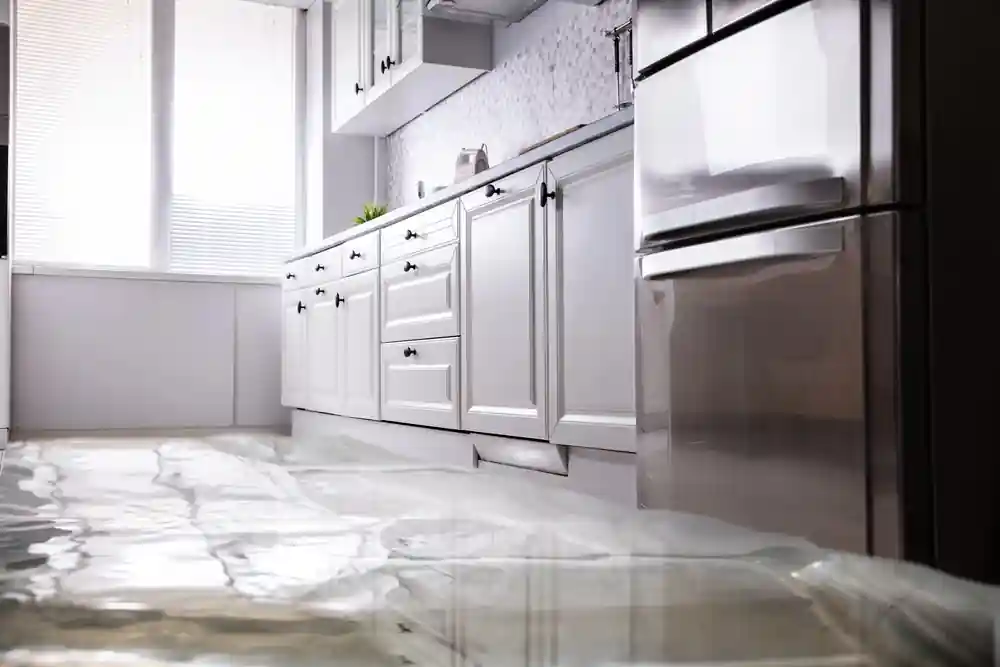
A burst pipe or sudden flood doesn’t give you time to research or second-guess. The damage that happens in the first fifteen minutes after water starts flowing where it shouldn’t is often worse than what happens in the hour after that. Knowing exactly what to do when it happens, before panic takes over, is the difference between a contained problem and a flooded basement. If you’re in the middle of it right now, 864-263-2847 will walk you through it while a truck is already rolling.
Step 1: Find and Shut Off the Main Water Supply Valve
Your main water shutoff valve is the single most important thing you need to know how to operate before an emergency happens. Most homes have one where the water line enters the house, usually in the basement, crawl space, or utility room near the foundation wall.
There are two common types. A gate valve has a round handle you turn counterclockwise until it stops. A ball valve has a lever handle that you flip a quarter-turn to close. Either way, turn it or flip it until it won’t move any further. The water should stop flowing to the burst section within seconds. If you’ve never located yours before, find it today. It takes two minutes, and it’s the one thing that stops a bad day from becoming a catastrophe.
Step 2: Shut Down Power and Gas to Water Heaters and Boilers
A water heater or boiler running without water flowing through it can damage the heating element and create safety hazards. If water is flooding the area where the water heater or boiler sits, turn off the power switch first, then the gas valve if you have one.
For electric water heaters, flip the breaker in the main panel. For gas units, turn the gas valve dial to the OFF position. Don’t turn the gas back on yourself once the emergency passes. Let a professional do that part to make sure everything is safe.
Step 3: Open the Lowest and Highest Faucets to Drain Remaining Pressure
After you’ve shut the main valve, water is still trapped in the lines under pressure. Opening the lowest faucet in the house (usually a basement sink or outdoor spigot) and a high faucet upstairs (usually a bathroom sink) drains that remaining pressure and lets air into the system, which stops the water from continuing to flow out of the burst section.
This takes less than a minute and makes a real difference in how much water ends up on your floor while you wait for the plumber.
Step 4: Document the Damage and Clear the Work Area
Take photos and video of the water damage, the burst pipe itself, and the overall mess before you start trying to clean it up. Your homeowners insurance will need this documentation to process a claim, and the photos are worth more than any description you could give over the phone.
Then move anything valuable or breakable away from the wet area. Open doors to other rooms so air can circulate and drying can start. Don’t run the air conditioning or heating at this point, it just spreads moisture around. Fans and open windows work better until a professional can assess what needs to happen next.
One More Thing: Know When Not to Try Anything
If the burst is behind a wall or under the floor, or if water is actively pooling in areas you can’t access, do not try to fix it yourself. Shut the main valve, call immediately, and get out of the way. That’s when trenchless pipe repair or burst pipe repair becomes the fast answer instead of a weeks-long guessing game about what’s actually broken.
Keep This Number Saved Before You Need It
Warmer Water & Plumbing handles emergency plumbing calls across Simpsonville and Upstate SC, and we’re ready when you call. Having a plumber’s number saved in your phone before the pipe bursts means you’re not hunting for one while water is running across your floor. Call 864-263-2847 now if you’re in an emergency, or save it for the moment you need it most.
0 Comments