
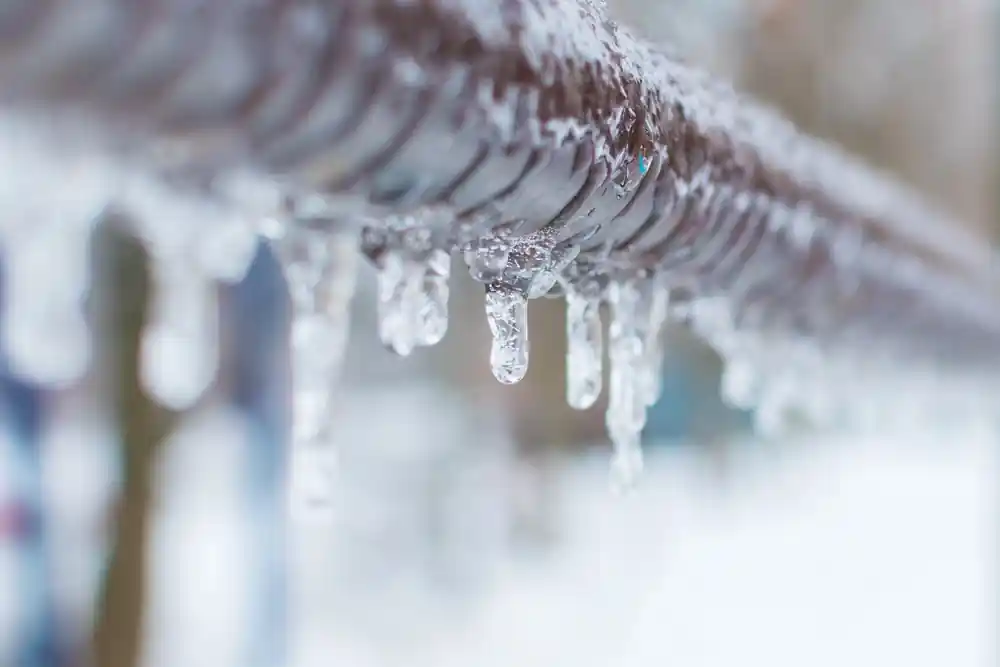
Frozen Pipe Repair in Simpsonville, SC: What to Do When Temperatures Drop
When the Temperature Drops Below Freezing, Your Pipes Are on Borrowed Time
A hard freeze hits Simpsonville overnight, and by morning you’re hearing a strange sound in the walls, or the water pressure in one fixture drops suddenly, or you find a puddle under the sink that wasn’t there yesterday. Frozen pipe repair in Simpsonville, SC becomes urgent the moment you realize water inside your pipes has expanded and cracked the line, because that damage doesn’t reverse once temperatures rise again. Understanding what happens when pipes freeze, how to spot the problem, and when you need a plumber immediately can mean the difference between catching a frozen pipe before it bursts and dealing with a full-scale emergency. Call 864-263-2847 if you suspect a pipe has frozen and you’re seeing signs of damage.
Freezing Water Expands and Cracks Pipe From the Inside Out
Water expands as it freezes, creating pressure inside a pipe that’s designed to hold flowing water, not ice. That expanding force can crack the pipe wall from the inside, and the damage often stays hidden until the ice melts and water starts leaking through the crack. A pipe that froze solid at 2 a.m. might not show signs of failure until 10 a.m. when temperatures rise and the ice inside starts to thaw, allowing water to flow through a break you couldn’t see while the pipe was still frozen.
Simpsonville’s freeze-thaw cycles create perfect conditions for this pattern. A cold night freezes exposed pipes in exterior walls or unheated crawlspaces, and the next morning when temperatures climb above freezing, homeowners suddenly discover leaks that weren’t there 12 hours earlier. The problem isn’t the freeze itself, which pipes can actually handle in short bursts. The problem is the expansion force created by ice forming inside a confined space, and the cracks that result from that pressure. Once cracked, a pipe stays compromised even after it thaws, so a pipe that froze once is often one that will freeze again in the next cold snap unless the underlying problem gets addressed.
What to Look For When Temperatures Drop
Frozen pipes don’t always announce themselves loudly. Sometimes the first sign is reduced water pressure in a fixture that suddenly started flowing weakly, or a complete loss of water in one part of the house while other fixtures work fine. Other times you’ll hear a gurgling sound in the walls, or find frost or ice on the exterior of the pipe if you can access it. Still other times, by the time you notice anything, the pipe has already cracked and water is dripping or pooling.
- A fixture suddenly has low or no water pressure while others work fine
- You see frost or ice on the exterior of pipes in crawlspaces or unheated areas
- There’s a gurgling sound in walls or pipes when you turn on water
- A musty or damp smell appears near an exterior wall or under the house
- A small puddle forms under a sink or along a wall in a freezing space
- Water backup or draining slowly from a fixture during cold weather
If you notice any of these during a freeze, don’t assume the problem will resolve itself once temperatures rise. A pipe showing these signs has likely already developed a crack or weak point, and once that damage exists, the problem persists even after thawing. The water that flows through a cracked pipe continues damaging whatever it’s leaking into, whether that’s a crawlspace, a wall cavity, or basement flooring. Addressing a suspected frozen pipe during the freeze itself, while it’s easier to diagnose, is better than waiting to see if it gets worse once temperatures climb.
Warmer Water & Plumbing Can Find and Fix Frozen Pipes Before They Become Bursts
A frozen pipe that still hasn’t cracked can sometimes be thawed before damage spreads, but this requires professional equipment and knowledge because forcing the thaw incorrectly can actually cause the crack to open wider. Once a frozen pipe has thawed and you’re seeing water damage, the focus shifts to finding exactly where the crack is and whether it’s an isolated section or a sign that surrounding pipe is similarly compromised. Understanding whether the freeze damaged just one vulnerable section or whether your home’s plumbing broadly needs protection against future freezes shapes whether a targeted repair is sufficient or whether broader repiping makes sense to prevent repeat failures.
Protect Your Pipes Before the Next Hard Freeze
A frozen pipe repair today is cheaper and less disruptive than dealing with a burst pipe tomorrow. If you’re in Simpsonville and temperatures are dropping below freezing, or if you suspect a pipe has already frozen based on reduced pressure or other warning signs, don’t wait for the damage to announce itself. Call 864-263-2847 and get a professional assessment while there’s still time to address it before a crack becomes a burst pipe repair. Understanding whether your home’s plumbing is vulnerable to freezing in cold snaps, and what protection looks like, is a conversation worth having before winter arrives and the problem becomes an emergency.
0 Comments