
Do You Actually Need Endless Hot Water, or Just a Better Tank?
The Question Every Homeowner Eventually Asks
Do you actually need endless hot water, or just a better tank? It’s the question every homeowner researching a water heater replacement eventually runs into, usually after the third search result promises “never run out of hot water again.” The honest answer depends less on marketing and more on how your household actually uses hot water. Whether a tankless or traditional water heater makes more sense for your home comes down to a few specific factors, and sorting through them before you call anyone saves you from paying for capacity you don’t need. If you want a straight comparison instead of a sales pitch, 864-263-2847 gets you one.
What’s Actually Different Between the Two
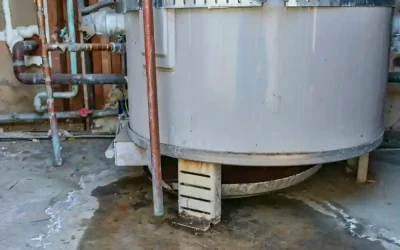
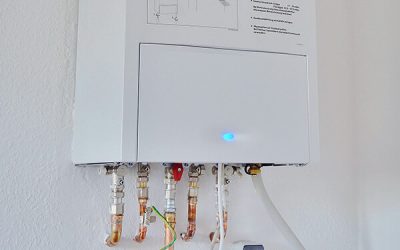
A traditional tank water heater keeps 40 to 80 gallons of water hot around the clock, ready the moment you turn on a faucet. A tankless unit heats water on demand as it passes through, which means no standby tank and, in theory, no running out.
That “on demand” part is where the real tradeoffs live. A traditional tank recovers between uses, so back-to-back showers can outpace it if the tank is undersized for the household. A tankless unit doesn’t run out, but its output is capped by flow rate, so running a shower and a dishwasher at the same time can push a smaller unit past its limit. Neither system is universally better. They’re built for different usage patterns.
What Actually Determines Which One Fits Your House
Sizing and usage patterns matter more than either technology’s reputation. A few questions settle most of the decision before installation ever comes up.
- How many bathrooms run hot water at the same time during a typical morning
- Whether the home already has the gas line or electrical capacity tankless units often require
- How long the household plans to stay in the home, since tankless units typically last 20 or more years against 8 to 12 for a traditional tank
- How much space is available, since a wall-mounted tankless unit frees up floor space a tank takes up
Larger households with multiple bathrooms running simultaneously often need either a high-output tankless unit or two smaller units working together, not just a bigger version of what they already have. Smaller households sometimes find a well-sized traditional tank does everything they need without touching the home’s existing gas or electrical setup.
Why Upstate SC Homeowners Trust Warmer Water With This Decision
The right answer depends on your home’s specific setup, not a national average. A technician who walks your house, checks your existing gas or electrical service, and asks how your household actually uses hot water gives you a recommendation built around your situation instead of a one-size-fits-all pitch.
That’s the difference between a quote based on square footage and one based on what actually happens in your bathrooms every morning. Homeowners across Simpsonville and Upstate SC who’ve made this switch usually did it after someone looked at their actual usage, not just their zip code.
Get a Straight Answer Before You Decide
You don’t have to guess which system fits your home, and you don’t have to take a stranger’s blog post as the final word either. A quick conversation about your household’s hot water habits tells you more than any generic comparison chart. Warmer Water & Plumbing can walk your home, look at what you already have to work with, and tell you honestly whether tankless or a traditional tank makes more sense. Call 864-263-2847 and get an answer built around your actual house.
0 Comments