
What Causes Sewer Line Damage in Simpsonville, SC Homes?
Your sewer line sits buried under your yard, doing its job quietly for years, until suddenly it isn’t. Understanding what actually causes sewer line damage in Simpsonville, SC homes helps you catch problems early, before a slow issue underground turns into a backup inside the house. Call 864-263-2847 if you’re already seeing warning signs and want a real answer instead of a guess.
The Culprit Most Homeowners Don’t Expect: Tree Roots
Tree roots are the single most common cause of sewer line damage across Upstate SC, and they’re rarely the dramatic villain people picture. Roots don’t crash through solid pipe. They find the tiniest crack or loose joint, often no wider than a hairline, and grow toward the moisture and nutrients inside the line. Once a root gets a foothold, it widens that crack a little more every season, and what started as a pinhole gap becomes a real intrusion within a few years.
Simpsonville’s mature tree canopy, especially in older established neighborhoods, means a lot of sewer lines run directly beneath or near root systems that have had decades to spread. A large oak or maple planted near the house forty years ago has roots that may now extend well past the edge of the yard, right through the path of the sewer line. This isn’t a sign of poor original installation. It’s just what happens when trees and buried pipe share the same ground for long enough.
Aging Pipe Materials Wear Down From the Inside
Homes built several decades ago often have sewer lines made from clay or cast iron, both common choices at the time but both prone to gradual deterioration. Clay pipe can crack from ground shifting or the weight of soil settling above it over the years. Cast iron corrodes from the inside, and that corrosion roughens the pipe’s interior surface, which makes it easier for waste and debris to catch and build up rather than flow through cleanly.
Newer homes typically use PVC sewer lines, which resist this kind of internal corrosion far better. That doesn’t make newer construction immune to sewer problems, but it does mean the specific failure pattern looks different, usually tied to installation issues or shifting ground rather than material breakdown.
Soil Movement and Ground Shifting
Simpsonville sits on clay-heavy soil in many areas, and clay soil expands when it absorbs moisture and contracts as it dries out. That constant expansion and contraction puts pressure on anything buried in it, including sewer lines. Over years, that pressure can shift pipe joints out of alignment or create the small gaps that roots eventually find and exploit.
Heavy rain followed by a dry stretch, a pattern Upstate SC sees often, accelerates this cycle. The ground swells, then shrinks, then swells again, and each cycle adds a small amount of stress to whatever is buried beneath it.
Grease, Debris, and What Goes Down the Drain
Not all sewer line damage comes from outside the pipe. What goes down the drain matters too. Grease poured down a kitchen sink seems harmless in the moment, but it cools and hardens as it moves through the line, gradually narrowing the pipe’s diameter and creating a surface where other debris catches. Over months and years, this buildup can slow drainage across the entire house, not just in the kitchen.
Flushing anything beyond toilet paper, even products labeled flushable, adds to this same problem. Wipes, paper towels, and similar items don’t break down the way toilet paper does, and they contribute to blockages that build gradually rather than announcing themselves all at once.
Why Catching This Early Actually Matters
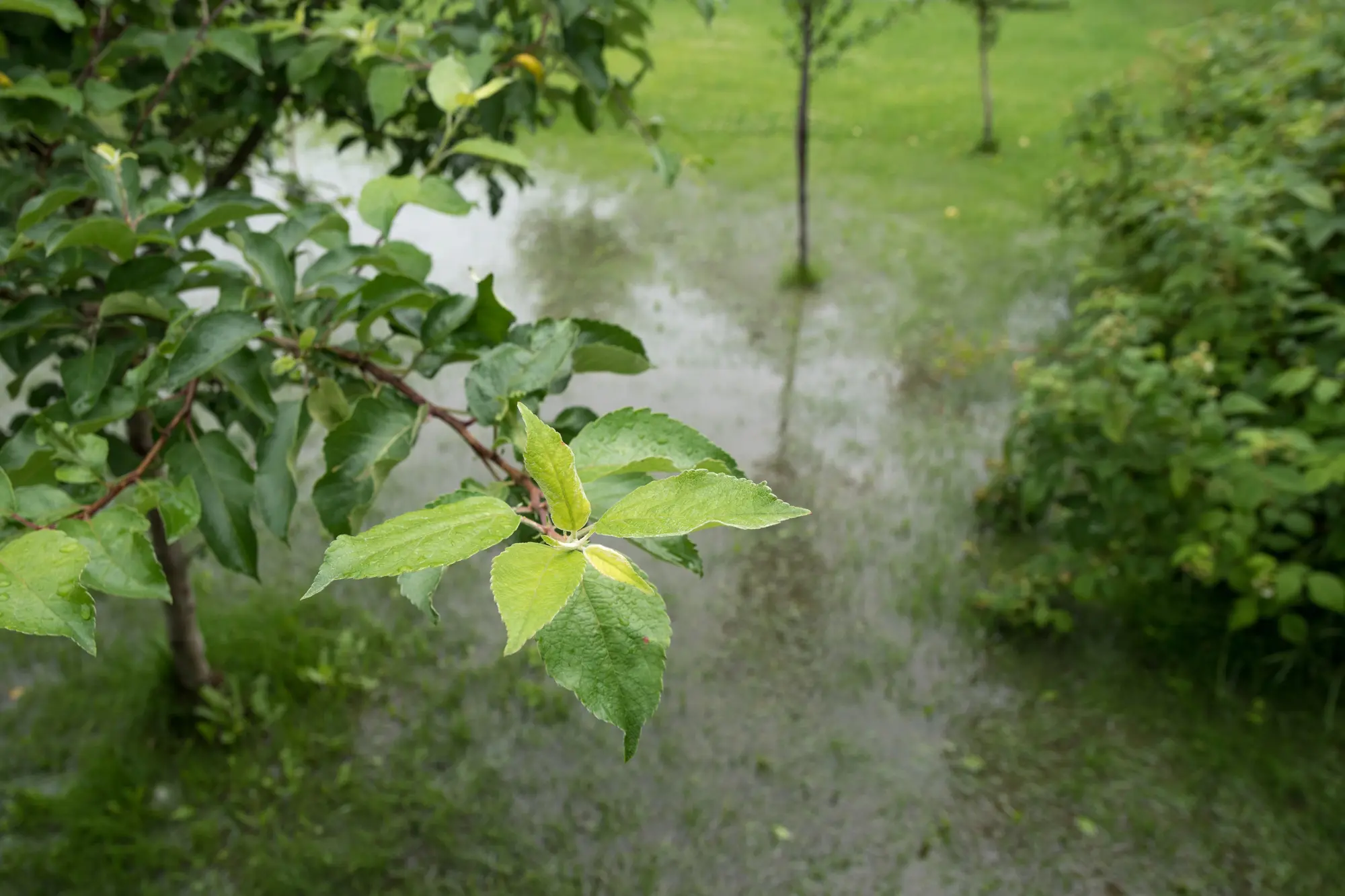
A root intrusion caught while it’s still small is a contained repair. The same intrusion left alone for another two or three years often means a fully compromised section of pipe, sometimes even a collapse, which turns a manageable fix into a much larger project. The signs are usually there well before a full backup happens: multiple slow drains, gurgling sounds, a sewage smell near the yard, or a patch of grass that stays unusually green and soggy.
Waiting rarely saves money. It usually just delays a bigger bill while the underlying cause keeps doing damage underground where nobody’s watching.
Why Simpsonville Homeowners Call Warmer Water First
Every evaluation starts with a camera inspection, not a guess based on the home’s age or a generic explanation. Warmer Water & Plumbing sends a video camera through the line to see exactly what’s happening inside, whether that’s root intrusion, corrosion, a shifted joint, or buildup that’s narrowed the pipe over years. You see the footage yourself, so the diagnosis isn’t just someone’s word for it.
From there, the right fix depends on what the camera shows. Some situations call for trenchless pipe repair, which addresses the damaged section without digging up your entire yard. For homeowners still working out whether their symptoms point to sewer trouble at all, the signs to watch for are covered in more detail on the sewer repair page.
Know What’s Happening Underground Before It Becomes an Emergency
Sewer line damage rarely happens overnight, and it rarely happens without warning signs along the way. Knowing what typically causes it, roots, aging pipe, shifting soil, or what goes down the drain, gives you a head start on catching a problem before it becomes a backup in your home. If you’re in Simpsonville and noticing any warning signs, call 864-263-2847 today and find out what’s really going on underground.
0 Comments