
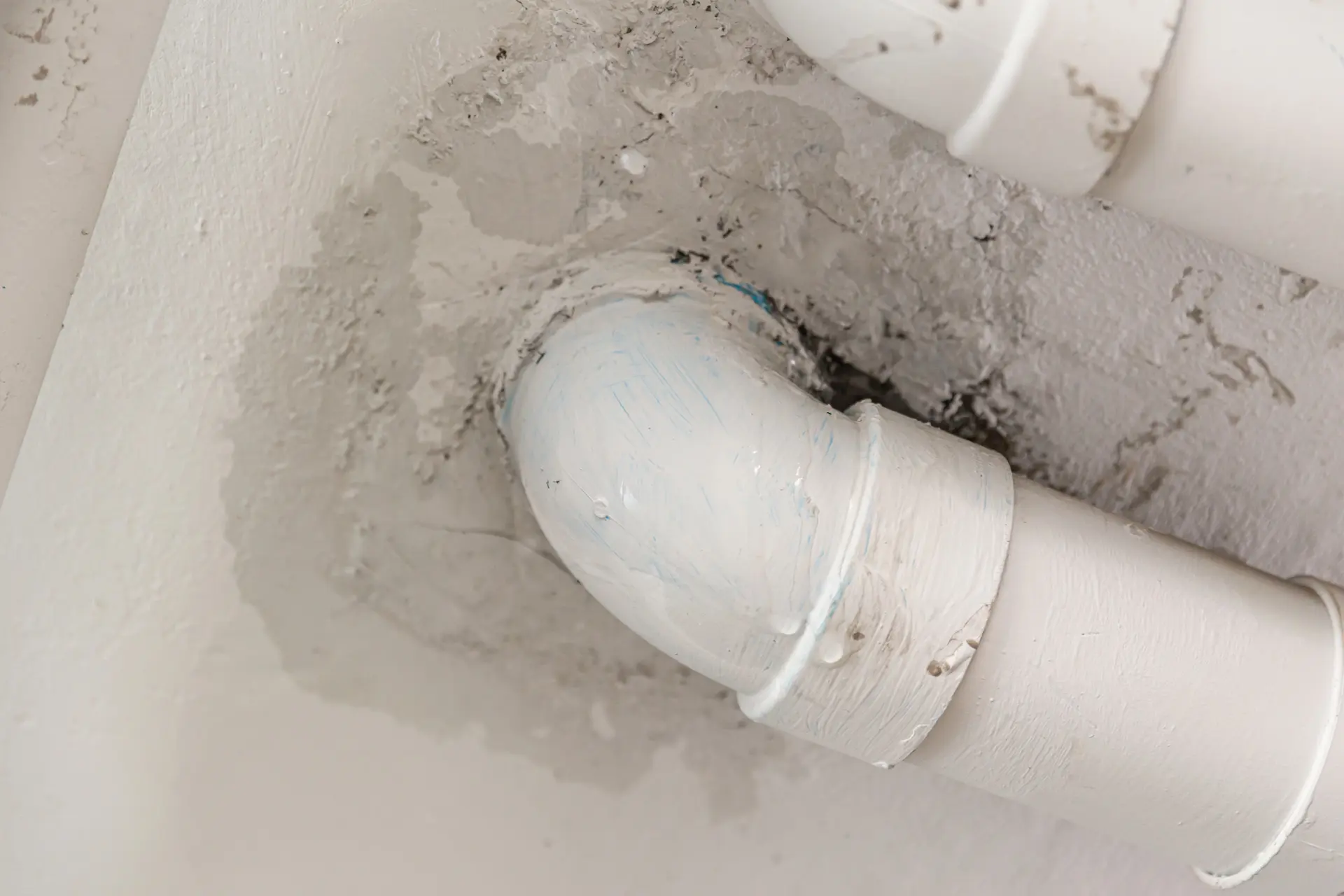
The Water Won’t Stop in Your Simpsonville Home, and You Don’t Know Why
You hear it before you see it, a hiss or a rush coming from somewhere in the wall or under the house. By the time you find the source, water is already spreading across the floor faster than towels can keep up. A burst pipe in Simpsonville, SC doesn’t give you time to think it through calmly, so knowing the right moves ahead of time matters more than anything you’d figure out in the moment. If this is happening right now, call 864-263-2847 and get help moving while you handle the first steps.
Shut Off the Water Before You Do Anything Else
Every other step comes after this one. Your main water shutoff valve is what stops the flooding, not a towel, not a bucket, not standing there watching. In Simpsonville, that valve is typically near the water meter at the street, inside a garage, or tucked into a crawlspace access panel depending on when the home was built. If you’ve never located it, this is worth doing today, before you’re doing it for the first time during an actual flood.
Turning the valve fully clockwise stops the flow at the source. Water already on the floor is now a cleanup problem instead of a growing one, which is a meaningfully better position to be in while you wait for help.
Then Check Your Electrical Panel
If water has reached any outlets, light fixtures, or appliances, cut power to that area of the house before doing anything else. This isn’t optional caution, water and live electricity together create a genuine hazard, and no plumbing emergency is worth risking that. If you’re not confident which breaker controls the affected area, shutting off the main breaker is the safer call until someone can sort out the specifics.
Why This Happens More Than Homeowners Expect in Simpsonville
Simpsonville’s rapid growth over the past two decades means the town has a real mix of home ages, from established neighborhoods with original 1990s plumbing to new construction still settling into freshly graded lots. Both situations create their own version of pipe stress. Older homes carry pipe material that’s had thirty years to corrode or grow brittle. Newer homes sit on soil that’s still compacting and shifting under the weight of construction, which can put uneven pressure on pipe joints before the ground fully settles.
Winter adds a second layer to this. A hard freeze causes water sitting inside a pipe to expand, and if that pipe is in an exterior wall, crawlspace, or unheated space, the expansion can crack it. The break often doesn’t show itself until the ice thaws and water starts moving through the damaged section again, which is why a wave of burst pipe calls tends to follow a cold snap by a day or two rather than happening during the coldest moment itself.
What Not to Do While You Wait
Resist the urge to open up drywall or ceiling material to find the break yourself. A hidden burst is genuinely difficult to locate without experience and the right tools, and cutting into the wrong section turns one repair into two. It’s also worth resisting the instinct to run the water anywhere else in the house to see if the problem is isolated, since that just adds more water to a situation you’re actively trying to contain.
Do take a few photos of the damage once the water is off. Between insurance questions and simply remembering what happened, having a record from the moment you found it is more useful than most people expect.
What Happens When Warmer Water & Plumbing Arrives
The technician’s first job is finding the actual break, not just the visible water. Some bursts are easy to spot, a split section of exposed pipe under a sink or in a crawlspace. Others are hiding behind drywall or under flooring, and finding those requires tracing water paths and checking pressure rather than guessing at a location. Once the break is found, you’ll get a clear explanation of what caused it and what it will take to fix, before any repair work starts.
Sometimes a burst pipe is an isolated event, a single weak point that failed under pressure. Other times, especially in a home with plumbing from the same era throughout, it’s an early sign that similar failures could be coming from other sections of pipe. That distinction matters, and it’s worth understanding fully once the emergency itself is under control.
Get Ahead of the Damage
The difference between a contained repair and a much bigger mess usually comes down to how fast the water gets shut off and how fast help arrives after that. If you’re dealing with a burst pipe right now in your Simpsonville home, shut off the main valve, check your electrical panel, and call 864-263-2847. For more on what burst pipe repair actually involves, or how repiping can prevent repeat failures in an aging system, the team can walk you through it once the immediate situation is handled.
0 Comments